How Much Does PALS Certification Cost in the U.S. (New & Renewal)
Updated on: March 16, 2026
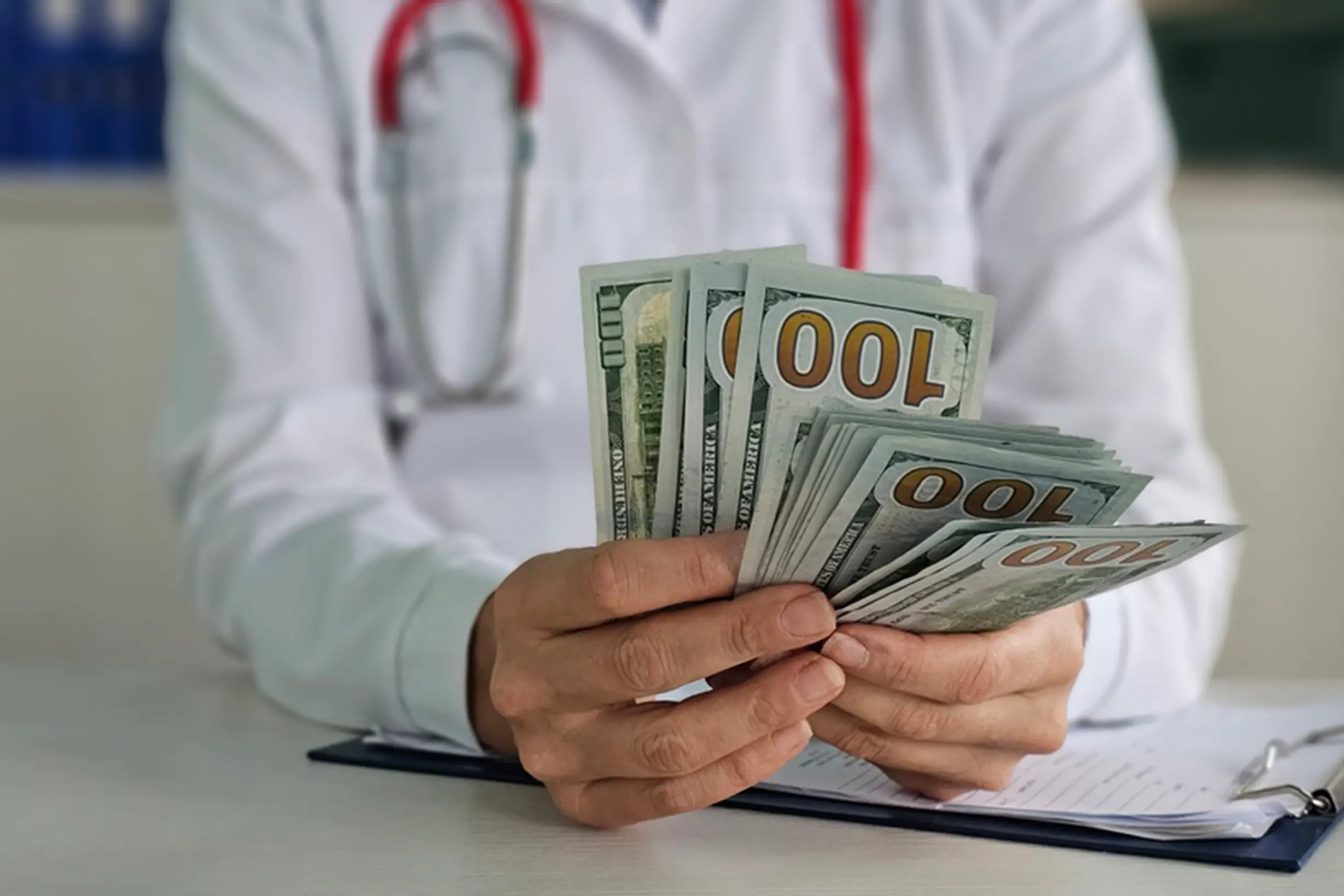
Pediatric Advanced Life Support (PALS) is an important skill set required by many healthcare professionals, including nurses, doctors, and paramedics who treat infants and children during critical situations. Anyone who works in pediatrics or emergency medicine must have a PALS certification. If you’re planning to get certified, one of the first things you’ll want to know is the PALS certification cost, which typically ranges from $100 to $200 depending on the course format, provider, and whether it’s a new certification or a renewal. In this guide, we’ll break down the average costs of both new and renewal PALS certification in the U.S.
Read More: PALS for Prehospital vs In-Hospital Settings: Challenges & Solutions
What is PALS Certification?
PALS certification shows a healthcare provider can handle life-threatening pediatric emergencies like cardiac arrest, respiratory failure, and shock in infants and children. Emergency room, intensive care, and pediatric departments often require AHA-based certification. Most certifications last two years, after which healthcare professionals must take a renewal course.
What is the Average PALS Certification Cost in the U.S?
The PALS certification cost in the U.S. depends on where you live, the type of course you take (in-person or online), and the provider. You can usually count on the following:
- New PALS Certification: $120 to $200
This course is more detailed and includes a full review of pediatric emergency care. This is often with hands-on training and testing. It usually takes one to two days to complete.
Renewal courses are shorter and focus on updating skills. They’re meant for those whose current certification is about to expire.
Some providers also charge extra for course materials, skills testing, or certification cards. Always first check what’s included in the fee before enrolling. Discounts may be available for group training or through hospital partnerships. Compare a few options to get the best value.
What Factors Influence PALS Certification Cost?
The cost of PALS certification can vary a lot depending on a number of factors. To make a good choice, you should know what changes the price of the course if you want to take it. Most of the time, one course will cost more than another because of the following:
1. Type of Course: New vs. Renewal
The course type also influences the cost. First-time PALS classes usually cost more because they include longer training, full lessons, and additional practice resources. Renewal courses are often priced lower since they focus on updating existing knowledge and take less time to complete.
2. Course Format: Online, In-Person, or Blended
The cost is also affected by how the PALS course format is set up. Hands-on practice is often part of in-person training, which may cost more because it needs more resources. It may be more affordable and simple to take classes online.
- In-person training usually includes hands-on practice and may require more resources, making it more expensive.
- Online courses can be more affordable and flexible.
- Blended courses let you learn online and then check your skills in person. Depending on the provider, these can be a good mix of convenience and real-world experience at a reasonable price.
3. Training Provider
The price of the course depends on the training provider. Hospitals and medical schools may give their employees or students lower prices. Private training centers and online platforms may charge more, especially if they offer extra services like practice tests, fast certification processing, or printed course materials.
4. Location
The price may change depending on where you take the course. Costs are often higher in big cities because there is more demand, higher operating costs, and better training facilities. You might find lower prices in smaller towns or rural areas, but with fewer choices.
5. Materials and Extra Fees
Some providers include textbooks, tests of your skills, and certification cards in the price you pay. Some places charge extra for these, which can bring your total up to $50 or more.
Before enrolling always check what’s included in the fee. Look for any hidden costs, and make sure your employer or licensing body is recognized. Comparing a few options can help you find the best valued course.
Read More: PALS Cardiac Arrest Algorithm
How Much is the PALS Renewal Cost in the U.S?
In the U.S., a PALS renewal course costs less than the full certification course because it takes less time and focuses on brushing up on what you already know and can do.
What’s Included in the Cost
Some providers charge one price that covers everything: study guides, practice tests, the skills check, and the certificate card. Some may charge extra for these services. So it is important to read through the course information before signing up.
Renewal Course Format
- In-Person: Usually a 1-day course with hands-on practice and testing.
- Blended: Includes an online portion followed by an in-person skills check. This can sometimes be more flexible and cost-effective.
- Renewing your PALS certification before it expires helps you avoid late fees.
Read More: PALS Post Arrest Shock Management Algorithm
What Are the Most Affordable Ways to Get PALS Certification?
A study by the National Library of Medicine found that 39% of EMS providers have never had formal PALS training. This makes it even more important to have options that are easy to find. The good news is that there are many ways to cut costs without lowering the quality of your course:
Choose Online or Blended Learning Options
Online and blended courses are often less expensive than traditional in-person classes. They also offer more flexibility for those with busy schedules.
Check with Your Employer or Hospital
Many hospitals and clinics offer free or discounted PALS training for employees. Some may even reimburse the full cost as part of their training programs.
Compare Providers Before You Enroll
Some training centers charge more than others. Look at a few different providers and see what you get for the price. Some providers might charge more for materials or certification cards.
Watch for Discounts and Promotions
Some training centers give discounts for signing up early, during certain times of the year, like Black Friday, or for a short time. Sometimes, signing up early can help you save money.
Ask About Group Rates
If you’re signing up with coworkers or friends, see if the provider offers group discounts. This could make things more affordable for everyone.
Look for Courses That Offer CE Credits
Some PALS courses include continuing education (CE) hours, which can meet both your certification and CE requirements. Always confirm that the course is AHA-approved, since CE credits alone do not guarantee employer acceptance.
Who Needs PALS Certification?
PALS certification is for medical professionals who work with children in emergencies. Not every healthcare worker needs PALS, but it is often required or strongly suggested for jobs in emergency rooms, intensive care units, and pediatrics.
- Emergency Room Staff
- Pediatric Nurses and Doctors
- Paramedics and EMTs
- Intensive Care Unit (ICU) Staff
- Anesthesiologists and Surgical Teams
- Respiratory Therapists
If your job involves treating or supporting critically ill infants or children then you may need PALS training. Always check your employer’s requirements or state licensing rules to be sure.
Read More: When Should You Get PALS Certified? Who Needs It & When to Renew
Getting the Best Value for Your PALS Certification Cost
Knowing what affects PALS certification cost can help you choose a course more wisely. There are many ways to save money without sacrificing quality, such as picking the right format and looking for employer discounts and group rates. Ready to get started? Join our affordable PALS certification course today and stay prepared to step in when medical care is urgently needed.
FAQs
- How much does a new PALS certification usually cost in the U.S.?
The cost of a new PALS course depends on the provider, how long it lasts, and how it is taught. Most of the time, it costs between $120 and $200. Online training is usually cheaper than training in a classroom.
- Are materials included in the fee?
Not always. Some training centers include student manuals in the price, while others require a separate purchase. It is a good idea to check this before enrolling.
- Why do prices vary across providers?
Costs change based on location, class size, instructor fees, course duration, whether equipment is provided, and whether certification cards or materials are included.
- Can you renew PALS online?
Yes. There are a number of reliable programs that offer online courses for renewal. Depending on the rules for the certification, some organizations may still need to do a short skills check in person.
PALS CERTIFICATION
Author
PALS Certification is a trusted provider of online life support training, offering PALS, BLS, and ACLS certification and renewal courses. Our flexible training programs follow industry guidelines, offer self-paced learning and instant certification, ensuring providers stay compliant, advance their credentials, and deliver high-quality patient care.