Study guide to body systems: ACLS certification resource
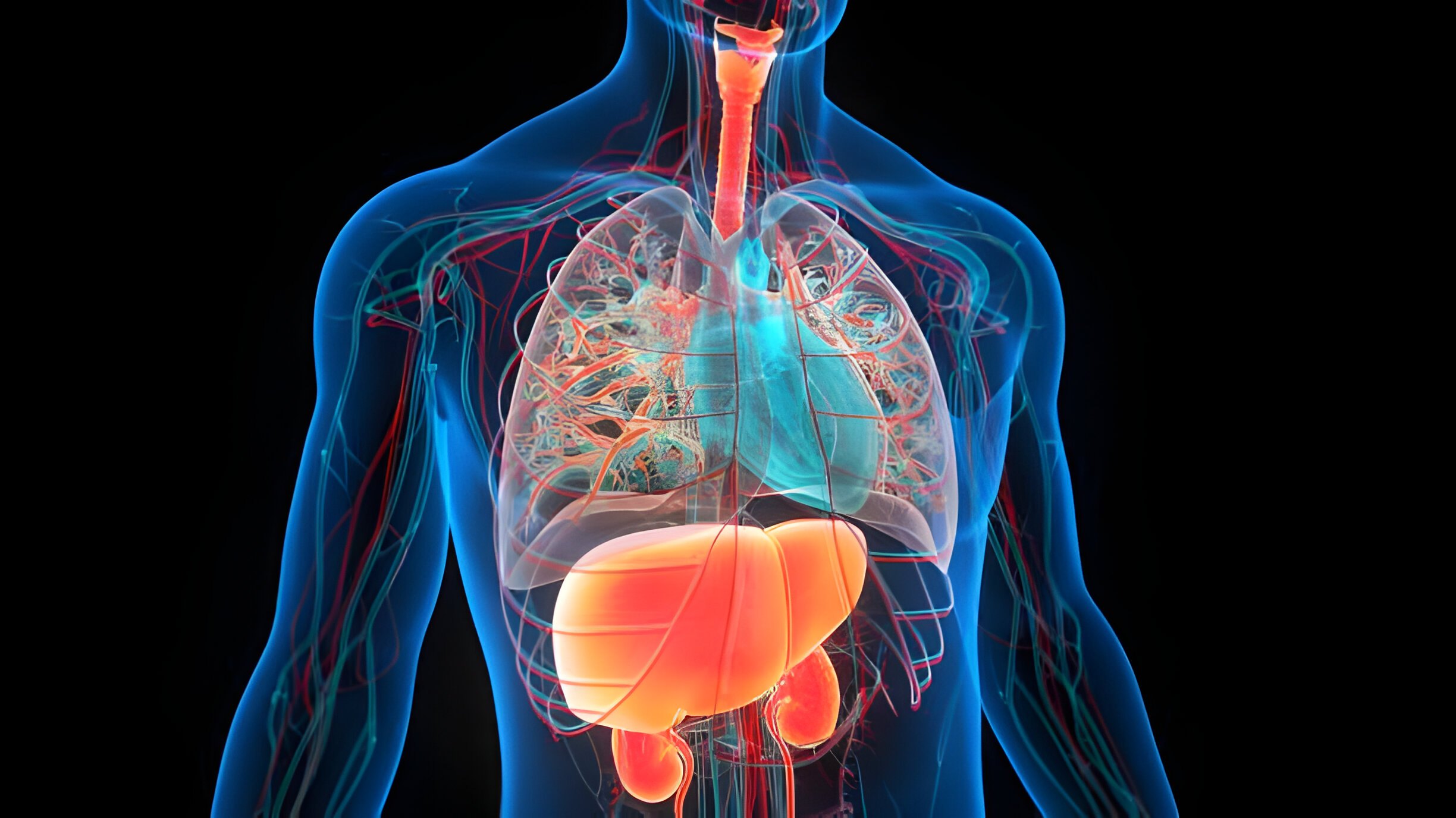
Each body system plays a major role in maintaining our health. So, understanding them is crucial for ACLS (Advanced Cardiovascular Life Support) certification. For ACLS, having a deep knowledge of the circulatory and respiratory systems is essential because they are directly involved in emergency cardiovascular care.
Knowing how these systems function is important for healthcare professionals to manage life-threatening situations. This way they can perform accurate assessments, and apply immediate interventions. So, let us explore the different body systems making it easier to gain the necessary skills for ACLS certification.
What are the main functions of the circulatory system?
The circulatory system sustains life by transporting essential substances and removing waste. Let us explore its functions in detail:
| Function |
Description |
| Oxygen and Nutrient Transport |
Delivers oxygen and nutrients to cells. |
| Waste Removal |
Carries carbon dioxide and waste to excretory organs. |
| Temperature Regulation |
Distributes heat to maintain body temperature. |
| Disease Protection |
Circulates white blood cells and antibodies. |
| Homeostasis Maintenance |
Balances pH, electrolytes, and fluids. |
| Clotting |
Delivers platelets to prevent bleeding. |
How does the respiratory system support cellular respiration?
Here is how the respiratory system is crucial for cellular respiration:
Air Intake:
Inhalation brings oxygen-rich air into the lungs.
Oxygen Diffusion:
Oxygen passes from the alveoli into the bloodstream.
Carbon Dioxide Removal:
Carbon dioxide diffuses from the blood into the alveoli to be exhaled.
Gas Transport:
Hemoglobin in red blood cells carries oxygen to tissues and returns with carbon dioxide.
Regulation of Blood pH:
Removes CO2, helping maintain acid-base balance.
Protection:
Filters out particulates and pathogens through mucous and cilia.
Voice Production:
The Larynx allows for sound generation, crucial for communication.
Olfaction:
Nasal passages enable the sense of smell, which helps in detecting hazards.
What organs are involved in the digestive system?
The digestive system consists of a series of organs that work together to break down food, absorb nutrients, and expel waste. Here are the organs involved in digestion.
- Mouth
- Esophagus
- Stomach
- Small Intestine
- Large Intestine (Colon)
- Rectum
- Anus
- Liver
- Pancreas
- Gallbladder
How does the nervous system transmit signals throughout the body?
Here is how the nervous system transmits signals through a complex network of neurons
| Process |
Description |
| Signal Generation |
Neurons generate electrical impulses (action potentials). |
| Propagation |
Action potentials travel along the axon of the neuron. |
| Synaptic Transmission |
Electrical impulses trigger the release of neurotransmitters at synapses. |
| Neurotransmitter Binding |
Neurotransmitters bind to receptors on the next neuron, muscle, or gland. |
| Signal Integration |
The postsynaptic neuron integrates incoming signals, potentially generating a new action potential. |
| Motor Response |
Motor neurons transmit signals to muscles, causing contraction. |
| Sensory Input |
Sensory neurons carry information from sensory receptors to the brain. |
| Reflex Actions |
Reflex arcs enable immediate responses without involving the brain. |
Read more: What Is PALS And Its Teachings?
What role do hormones play in the endocrine system?
Hormones are chemical messengers that are produced by the endocrine system. They regulate the various physiological processes. Let us explore their role further:
- Regulates Metabolism: Controls the rate of metabolic processes.
- Growth and Development: Influences growth and developmental stages.
- Mood Regulation: Affects emotional states and mood.
- Reproductive Functions: Manages reproductive processes and sexual health.
- Stress Response: Mediates the body’s reaction to stress.
- Blood Sugar Levels: Regulates glucose concentration in the blood.
- Fluid Balance: Maintains electrolyte and water balance.
- Immune Function: Modulates the immune system’s activities.
How do the muscles and bones interact in the musculoskeletal system?
The musculoskeletal system allows movement and provides structural support to vital organs. Here is how they interact:
Nerve Signaling and Muscle Activation
Nerve impulses from the brain prompt muscle contraction, initiating movement.
Transmission of Force Through Tendons
Contracting muscles pull on tendons, transmitting force to the bones they are attached to.
Lever Action of Bones
Bones act as levers, responding to the force transmitted by tendons to move.
Facilitation of Movement at Joints
Joints enable smooth and controlled movement by allowing bones to articulate.
Coordination for Functional Movement
Through this coordinated process, muscles and bones work together to execute functional movements essential for everyday activities.
What is the primary function of the immune system?
The basic function of the immune system is to protect the body against harmful pathogens This is done by identifying and destroying pathogens like bacteria, viruses, and fungi. The immune system constantly looks out for abnormal cells and helps in the elimination of cancerous cells. It retains the memory of past infections for a better response to further exposures. It helps in tissue repair, regulates autoimmune responses, manages allergic reactions, and contributes to overall physiological balance and well-being.
Read more: PALS vs ACLS: Understanding the Key Distinctions
Conclusion
Understanding the body systems is vital for ACLS certification. The key systems like digestion, nervous system, hormonal regulation, musculoskeletal interaction, and immune defense work together to keep us fit and healthy. Mastering these systems equips healthcare professionals to manage emergencies in the best possible way. With this knowledge, they can provide life-saving interventions with confidence and ensure better patient outcomes.
Resources
https://www.acls.net/study-guide-body-systems
https://www.ncbi.nlm.nih.gov/pmc/articles/PMC4346824/
https://www.ncbi.nlm.nih.gov/pmc/articles/PMC9112020/
https://www.ncbi.nlm.nih.gov/books/NBK599381/
https://www.ncbi.nlm.nih.gov/pmc/articles/PMC10734239/
PALS CERTIFICATION
Author
PALS Certification is a trusted provider of online life support training, offering PALS, BLS, and ACLS certification and renewal courses. Our flexible training programs follow industry guidelines, offer self-paced learning and instant certification, ensuring providers stay compliant, advance their credentials, and deliver high-quality patient care.