The Importance of PALS Certification in Pediatric Critical Care

If you are a nurse who works with children, you know how important it is to be prepared for any emergency. Children have different needs and challenges when it comes to life-threatening conditions. That’s why the importance of PALS certification can’t be ignored, and it is essential for nurses. Especially those who want to provide the best care for their young patients.
PALS Certification is an online learning platform. We offer the most updated PALS online certification course for nurses. It is 100% online and gives you the flexibility to learn on the go. No breaks or holidays are required. You will also earn CE credits after the completion of the course. Check it out on our website today!
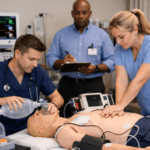
PALS stands for Pediatric Advanced Life Support. Our online training program teaches nurses how to recognize and treat common and rare pediatric emergencies. Such as cardiac arrest, respiratory distress, shock, trauma, poisoning, and more.
PALS teaches nurses how to work as a team with other healthcare professionals in pediatric resuscitation. PALS emphasizes the importance of the following in a coordinated and collaborative effort to save a child’s life:
- communication
- leadership
- roles
- responsibilities
Understanding the Importance of PALS Certification
PALS certification is important for several reasons:
- First, it ensures that nurses have the knowledge and skills to provide high-quality pediatric emergency care. The care should be according to the latest standards and recommendations.
- Second, it increases the confidence and competence of nurses. Especially in dealing with complex and challenging pediatric cases.
- Third, it improves the safety and satisfaction of patients and their families.
- Fourth, it enhances the reputation and credibility of nurses. They are seen as experts in pediatric critical care.
PALS certification is not only beneficial for nurses but also for their employers and organizations. PALS certification demonstrates that nurses are committed to continuous learning and professional development. It also shows that nurses are qualified and capable of handling any pediatric emergency. PALS certification can also help employers meet:
- regulatory requirements
- accreditation standards
- quality improvement goals.
Key Skills and Techniques Taught in PALS Training
PALS training teaches nurses a variety of skills and techniques. These are essential for pediatric advanced life support. Some of these skills and techniques comprise:
- BLS aimed at children and infants:
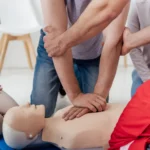
- chest compressions
- rescue breaths
- use of an automated external defibrillator (AED)
- relief of choking
- Advanced airway management
- recognition and management of airway obstruction
- use of adjuncts such as nasal or oral airways
- use of advanced devices such as endotracheal tubes or supraglottic airways
- ventilation strategies, oxygen therapy, capnography, and suctioning.
- recognition and management of shock
- use of intraosseous (IO) needles or central venous catheters (CVCs)
- fluid resuscitation
- administration of medications, blood products, or fluids.
- Cardiac rhythm recognition
This includes the identification and interpretation of normal and abnormal heart rhythms in infants and children.
This includes knowledge of common drugs used in pediatric emergencies.
- use of synchronized cardioversion or defibrillation for shockable rhythms such as VT or VF
- use of transcutaneous pacing for bradycardic rhythms such as sinus bradycardia or AV block.
- stabilization and transport of the child to a higher level of care
- monitoring
- management of vital signs
- neurological status
- pain, sedation, temperature, glucose, electrolytes, and more.
How PALS Certification Empowers Nurses in Critical Pediatric Care
PALS certification empowers nurses in critical pediatric care. It gives them the tools and confidence to handle any pediatric emergency. PALS certification enables nurses to:
- Recognize and treat pediatric emergencies promptly and effectively
- Provide high-quality and evidence-based care for children with life-threatening conditions
- Work as a team with other health care professionals in a pediatric resuscitation
- Communicate effectively and respectfully with patients along with their families
- Advocate for the best interests and rights of children in critical care
- Reduce the risk of errors and complications in all kinds of pediatric emergency care
- Improve the outcomes and quality of life of children who survive a cardiac arrest or other critical event
Conclusion
PALS certification is a valuable and rewarding credential for nurses who work with children in critical care settings. It teaches nurses how to recognize and treat common and rare pediatric emergencies using a systematic approach. It also teaches nurses how to work as a team with other healthcare professionals in pediatric resuscitation. It empowers nurses to provide high-quality and evidence-based care for children with life-threatening conditions.
PALS CERTIFICATION
Author
PALS Certification is a trusted provider of online life support training, offering PALS, BLS, and ACLS certification and renewal courses. Our flexible training programs follow industry guidelines, offer self-paced learning and instant certification, ensuring providers stay compliant, advance their credentials, and deliver high-quality patient care.