Top 5 FAQs on PALS

Updated on: April 16, 2024
Do you love working with infants and find joy in taking care of them? Are you in the healthcare field and wish you could work more with children? If your answer is yes, you might want to consider taking an online PALS course. PALS stands for Pediatric Advanced Life Support. It is designed to teach medical professionals to provide emergency care to children experiencing life-threatening medical situations. By becoming a PALS certified healthcare provider, you can utilize your passion for childcare. The course will also equip you with valuable skills to save children in distress.
If you have more questions on PALS this article will provide more information on whether it would be beneficial. This blog will help you understand why you should sign-up and register with and get certified today!
1. What is PALS, and why is it important?
PALS stands for Pediatric Advanced Life Support. It’s a set of medical protocols designed to help doctors and other medical professionals provide emergency care to children who are in critical condition. PALS is important because it helps healthcare professionals save the lives of children who are experiencing life-threatening medical emergencies.
2. Who needs PALS training?
Doctors, nurses, and other medical professionals who work with children need PALS training. This includes anyone who works in a hospital, clinic, or emergency medical service. In addition, some non-medical professionals, such as school nurses and childcare providers, may also benefit from PALS training.
3. What are some of the skills that medical professionals learn in PALS training?
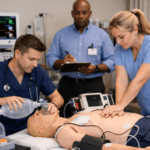
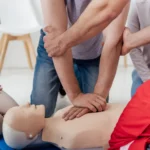
In PALS training, medical professionals learn a variety of skills, including how to perform CPR on children, how to use medical equipment like defibrillators, how to recognize and treat different medical emergencies like seizures and respiratory distress, and how to work effectively as part of a medical team.
4. How long does PALS training take?
PALS training typically takes about one to two days to complete, depending on the specific training program and the participant’s level of experience.
5. Is PALS certification required to work with children in a medical setting?
Yes, in many cases, PALS certification is required to work with children in a medical setting. This requirement may vary depending on the specific workplace and the role of the employee. It’s important to check with your employer or the regulatory body to determine if PALS certification is required for your specific role.
Steps to finding an accredited PALS course
Finding an accredited PALS course may seem overwhelming, but here are some simple steps you can follow:
- Ask a trusted adult, like a parent or teacher, for help in finding an accredited PALS course.
- Use the internet to search for PALS courses in your area or online. Look for courses that are accredited by reputable organizations, like the American Heart Association or (Company Name).
- Read reviews or ask for recommendations from other people who have taken PALS courses before. This can help you find a course that has a good reputation and provides quality education.
- Check the course schedule and make sure it fits into your schedule. Some courses may be offered in-person, while others may be online or a combination of both.
- Once you’ve found a course that meets your needs, sign up and prepare to learn important skills that can help save the lives of children in emergency
Conclusion
If you are employed in healthcare, obtaining a PALS certification can be beneficial. This certification is particularly advantageous for those seeking a career change. Children and infants are susceptible to injuries and accidents, and some may have genetic conditions like asthma that could suddenly worsen. Specialized certifications are necessary to properly care for these individuals. offers online PALS courses that can be completed at your convenience. Visit our website to enroll and make a difference in a child’s life.
PALS CERTIFICATION
Author
PALS Certification is a trusted provider of online life support training, offering PALS, BLS, and ACLS certification and renewal courses. Our flexible training programs follow industry guidelines, offer self-paced learning and instant certification, ensuring providers stay compliant, advance their credentials, and deliver high-quality patient care.